AI Socratic
January 2026
Vibe Coding

We're In The "Vibe" Code Age — Claude Code reaches 100% of coding

I went personally went from 80% of my code being AI via copy/paste to now being 100% via Claude Code. Coding has officially changed for good!

Image

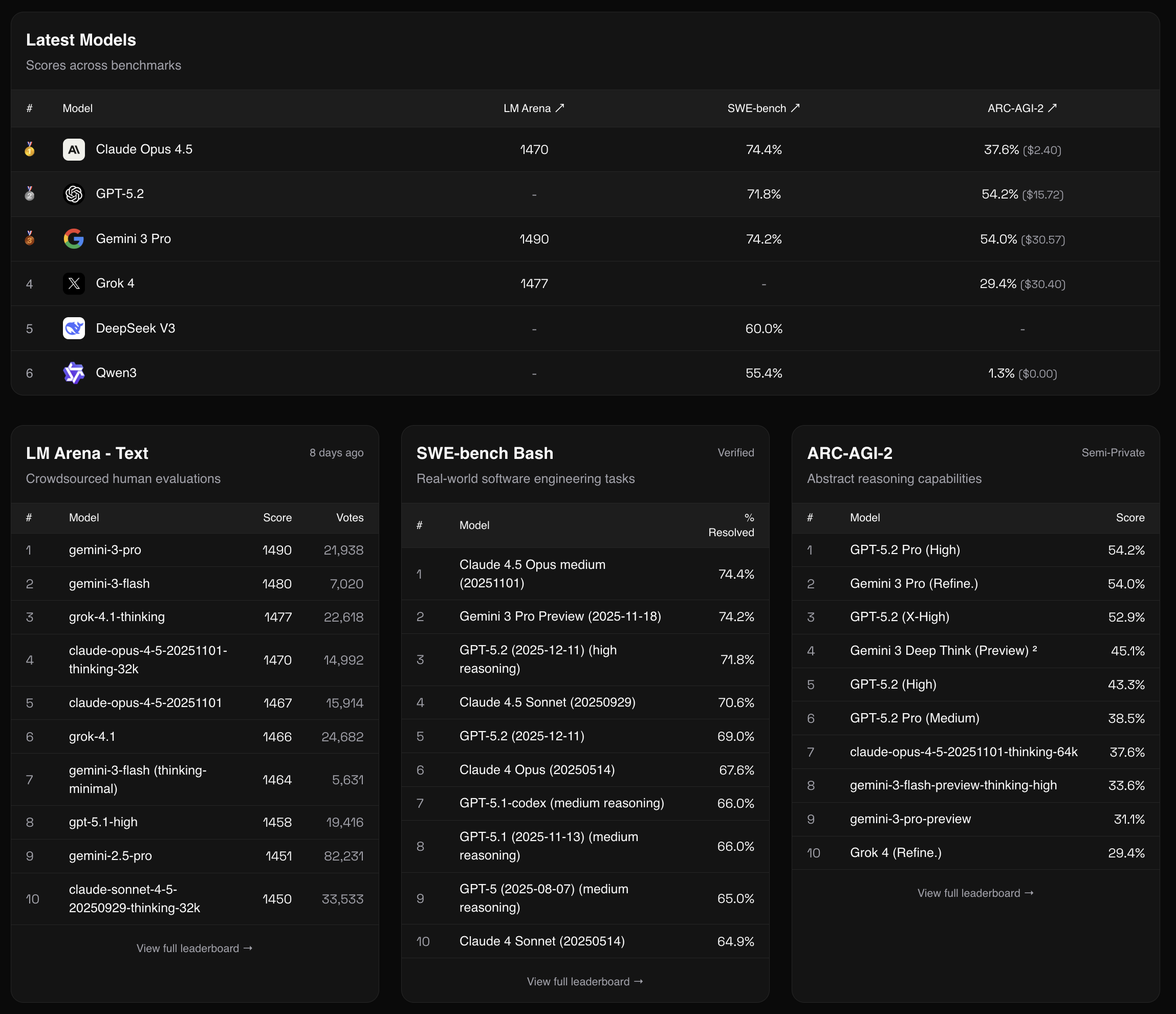
If you recall Dario Amodei mentioned AI covering 90% of coding by end of 2026, turns out we reached 100%. Claude Code was released in May 2025, as a side project, with last month Anthropic released Opus 4.5, it's now arguably the most productive software ever made. OpenAI AGI definition is about an AI that "outperform humans in most economically valuable work", are we there already?

80% of Americans have no idea what Anthropic is (stats from Aug 2025)

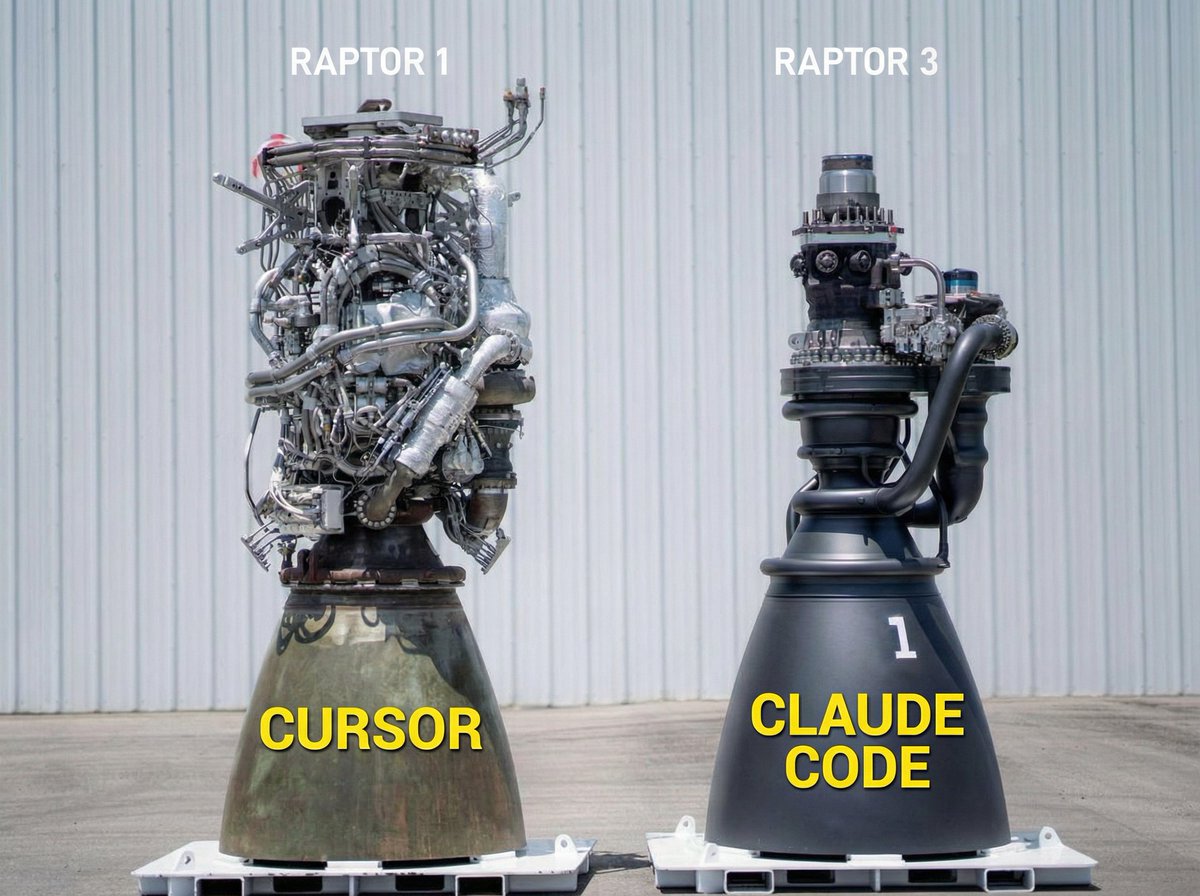
Image ### Engineers prefer Claude over Cursor because of its simplicity. So Is Claude code going to replace Cursor? Image

Image

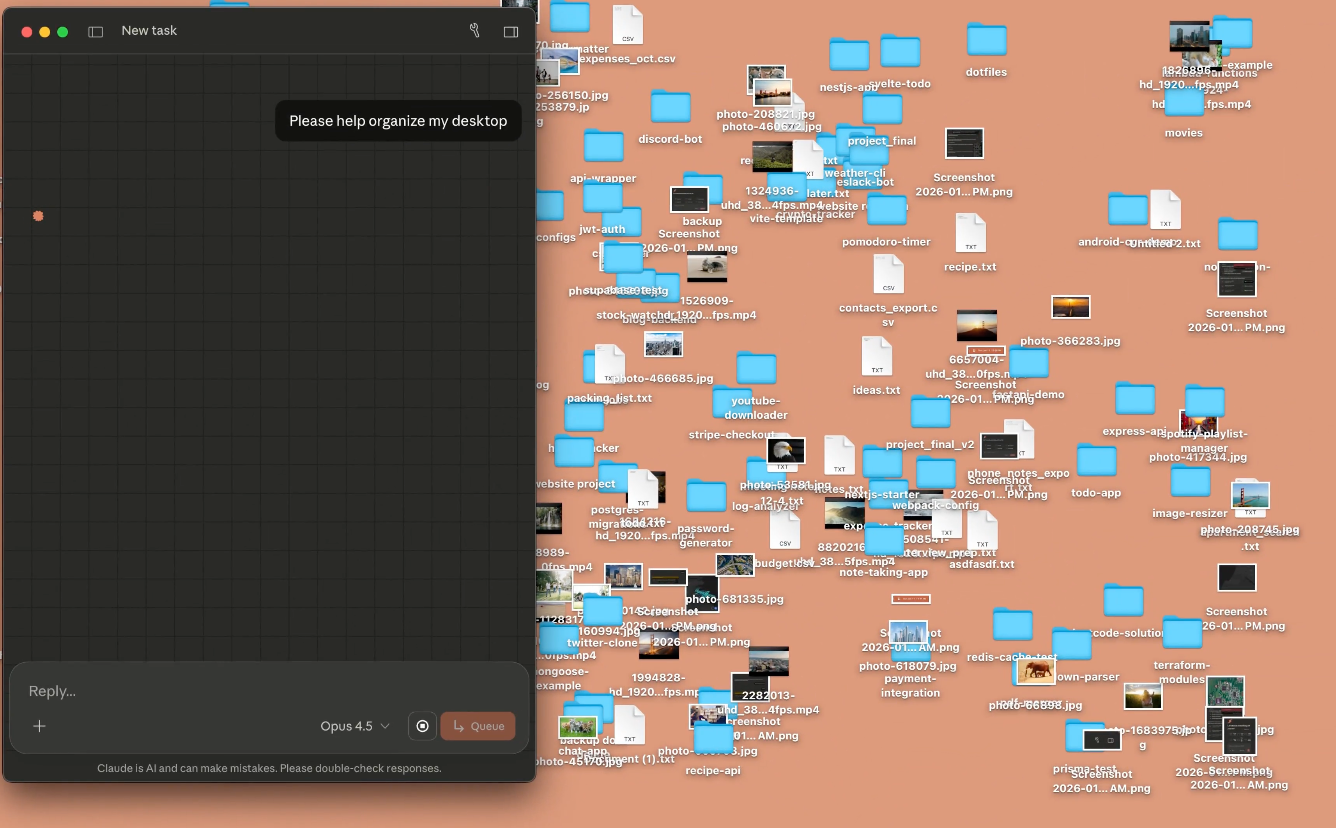
Claude Cowork lets you complete non-technical tasks much like how developers use Claude Code. Pretty much is Claude connected to your file system.

Chrome Extension

Claude just added a Chrome extension and I argue is the most productive tools ever. Not only your CLI gets eyes, it also can automate workflows that don't have an API.

Ralph Wiggum: Infinite Loop

There's now have an official plugin marketplace. One plugin got extra attention ralph-wiggum, which pretty much is an infinite loop over a task until done:

while :; do cat PROMPT.md | claude ; done
Simpsons character Ralph Wiggum typing on a computer
Federico UlfoFederico Ulfo
Vibe Coding

More interesting updates around Claude Code

Federico UlfoFederico Ulfo
Random

Deep Fakes Will Change Social Media

Forget everything you knew about video making. This type of content will become increasingly common in 2026. The difference is who understands the process and comes out in front. This is the kind of skill that will separate those who only watch AI... from those who use AI to create something that attracts attention How to render this videos: https://www.instagram.com/p/DTaNGPkEYBd.

Image

Federico UlfoFederico Ulfo
Research

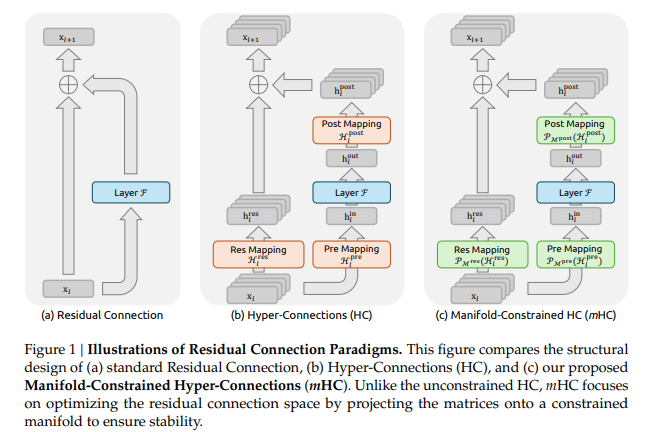
DeepSeek mHC: Manifold-Constrained Hyper-Connections

DeepSeek 🐋 > mHC: Manifold-Constrained Hyper-Connections

This is a new banger paper from DeepSeek!

Traditional residual connections (e.g., in ResNets and Transformers) add the layer output to the input, preserving an "identity mapping" that enables stable training in very deep networks. Hyper-Connections (HC), a more recent idea, expand this by widening the residual stream (multiple parallel streams instead of one) and using learned mixing matrices for richer information flow and better expressivity. However, unconstrained HC breaks the identity property, leading to severe training instability (exploding/vanishing gradients) and high memory overhead, limiting scalability.Core Innovation: mHCmHC fixes HC by projecting the mixing matrices onto a specific mathematical manifold — the Birkhoff polytope (doubly stochastic matrices, where rows/columns sum to 1). This is achieved efficiently using the Sinkhorn-Knopp algorithm (an iterative normalization from 1967, ~20 iterations suffice).Key benefits:

  • Restores bounded signal propagation (gain stays ~1-1.6 across layers, vs. exploding to 3000+ in plain HC).
  • Enables stable widening of the residual stream (e.g., 4-8x wider) for better performance.
  • Promotes controlled information mixing across depths, improving representation learning.

Efficiency OptimizationsDeepSeek added heavy infrastructure tweaks (kernel fusion, recomputation, communication overlapping) to keep overhead low (~6-7% extra training time).ResultsExperiments on models up to 27B parameters show:

  • Better downstream performance (e.g., on reasoning benchmarks like GSM8K) than standard residuals or unstable HC.
  • Superior scalability, with hints from "in-house large-scale experiments" suggesting it's production-ready (likely for DeepSeek's next models, e.g., V4).

In essence, mHC makes a theoretically superior but previously impractical idea (wider, diversified residuals) viable at scale, potentially unlocking new ways to improve LLMs beyond just more parameters or data. It's seen as a fundamental advance in topological architecture design, with community excitement around implementations and combinations (e.g., with value residuals). The original X thread you linked is a fan announcement hyping it as a "huge model smell" breakthrough.

Image

Sources:

Federico UlfoFederico Ulfo
Research

Neural networks at scale converge to a shared model of reality

Neural Networks at scale all converge to a statistical model of reality and internal structure.

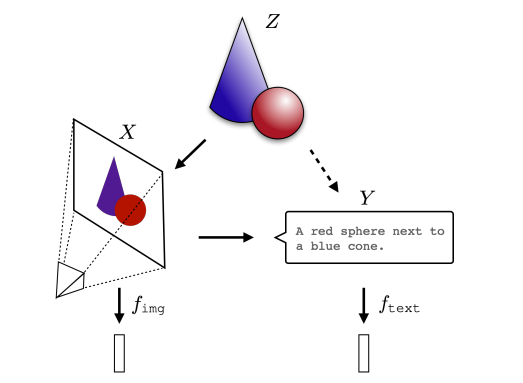
🏛️ The Platonic Representation Hypothesis

Image

Neural networks, trained with different objectives on different data and modalities, are converging to a shared statistical model of reality in their representation spaces. Vision models, language models, different architectures are all slowly approximating the same underlying model of reality.
If this holds up, it's a huge unlock. We could translate between models instead of treating each one like a sealed black box, reuse interpretability wins across systems, and maybe align models at the representation level, not just by policing outputs.

📄 arxiv paper
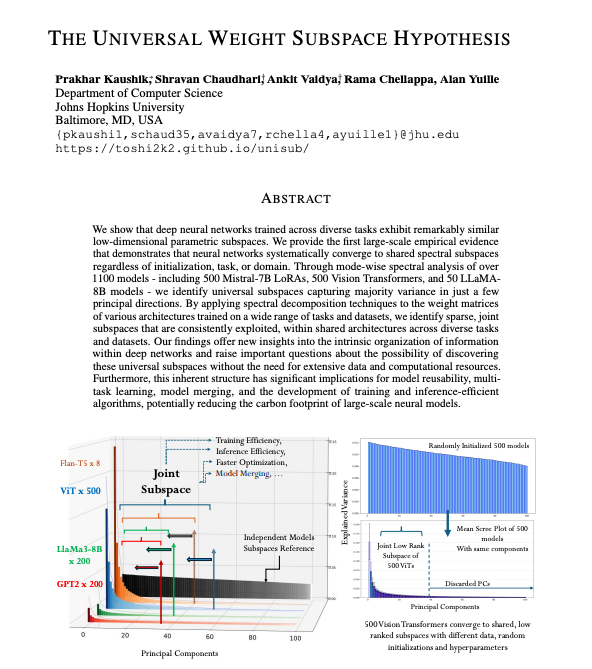
🌌 The Universal Weight Subspace Hypothesis

Image Johns Hopkins University reveals that neural networks, regardless of task or domain, converge to remarkably similar internal structures.
Their analysis of 1,100+ models (Mistral, ViT, LLaMA) shows they all use a few key "spectral directions" to store information.
This universal structure outperforms assumptions of randomness, offering a blueprint for more efficient multi-task learning, model merging, and drastically cutting AI's computational and environmental costs.

📄 arxiv paper
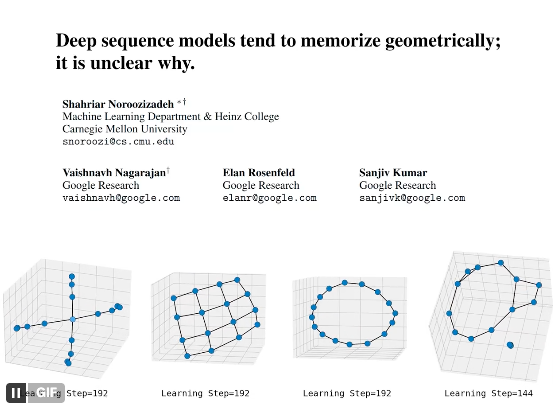
🧊 Deep Sequence models tend to memorize geometrically; it is unclear why

Image We found that deep sequence models memorize atomic facts "geometrically" -- not as an associative lookup table as often imagined. This opens up practical questions on reasoning/memory/discovery, and also poses a theoretical "memorization puzzle."

📄 arxiv paper

The crazier implication is philosophical. Maybe MEANING isn't just a human convention. Maybe there are natural coordinates in reality and sufficiently strong learners keep rediscovering them.

So what's actually driving the convergence? The data, the objective, some deep simplicity bias? And where does it break?

Sources

Federico UlfoFederico Ulfo

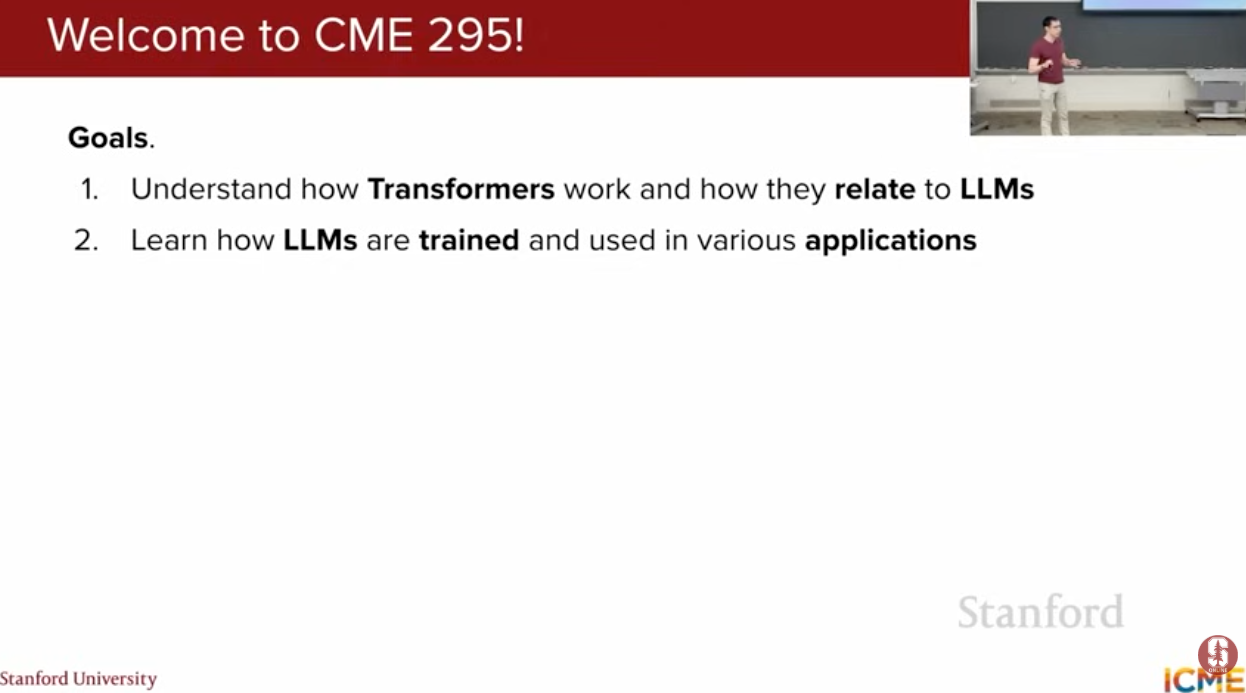
Stanford CME295 Lecture on Transformers & LLMs, plus more videos and pods

Stanford CME295 Lecture on Transformers & LLMs

Image

Other videos and pods from Dec and Jan:

Federico UlfoFederico Ulfo
Hardware

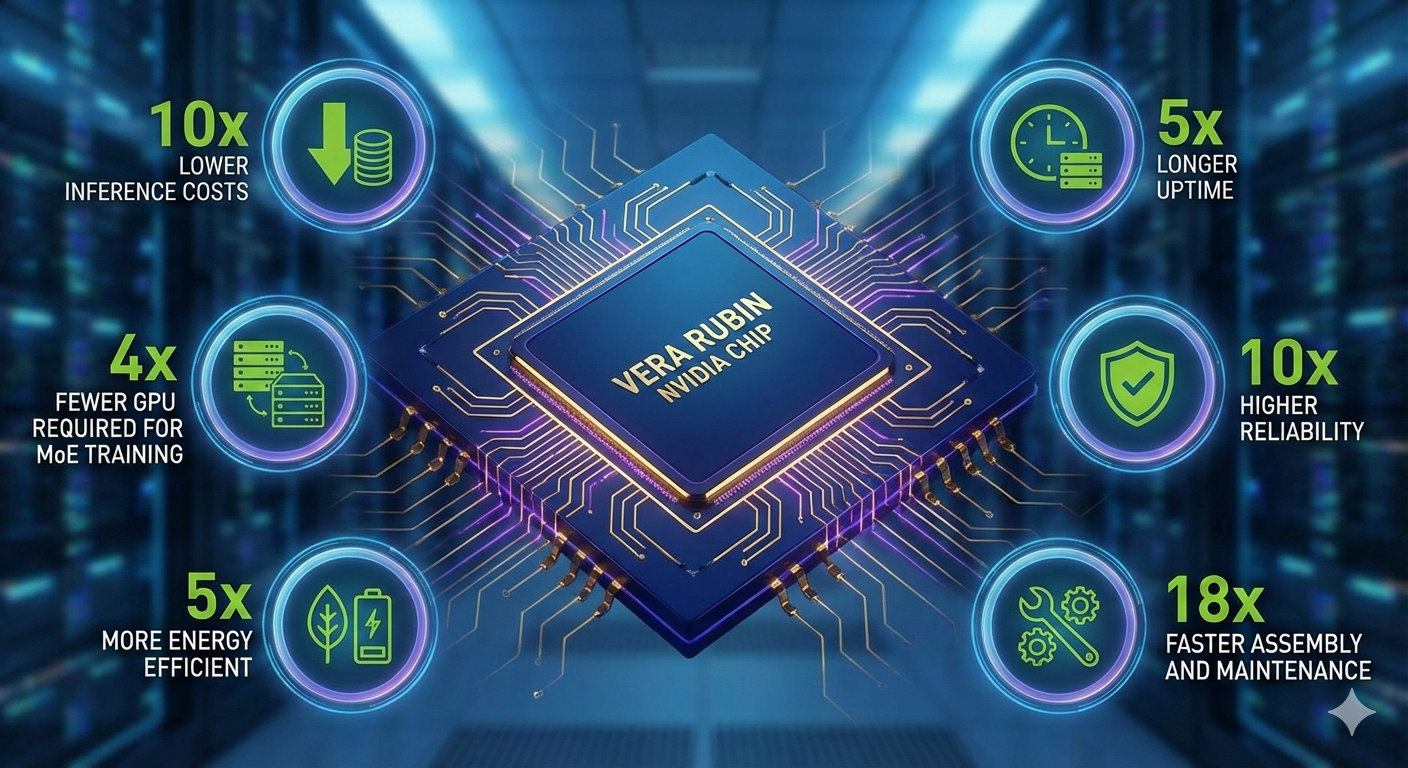
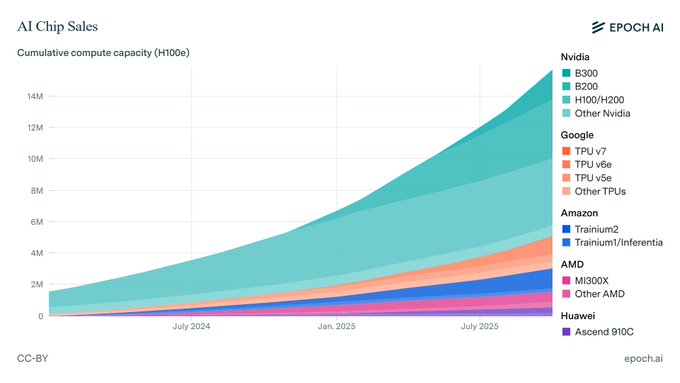
Nvidia $20B Groq acquisition

Nvidia $20B Groq Acquisition

Image

ℹ️ You guys may have noticed a trend in the recent AI acquisitions: they hire the founder + few leadership position and leave the rest of the team in a zombie company, this happened with Meta > Scale, Google > Windsurf, and now NVIDIA > Groq and Meta > Maus. So why is that? Well it turns out this solution avoids antitrust scrutiny.

Groq has entered into a non-exclusive licensing agreement with Nvidia for Groq's inference technology. Groq Cloud will continue to operate without interruption. This blog post breaks down the antitrust loophole that enabled NVIDIA to close this $20B deal: https://ossa-ma.github.io/blog/groq.

What Nvidia Actually Bought (And What It Didn't)

Nvidia acquired:

  • All of Groq's intellectual property and patents
  • Non-exclusive licensing rights to Groq's inference technology
  • Jonathan Ross (CEO), Sunny Madra (President), and the entire senior leadership team

Nvidia explicitly did NOT buy:

  • GroqCloud, the cloud infrastructure business, which continue with its CFO Simon Edwards. This is because KSA (Kingdom of Saudi Arabia) uses this service, and Nvidia preferred to avoid extra scrutiny on offering inference to a foreign country.

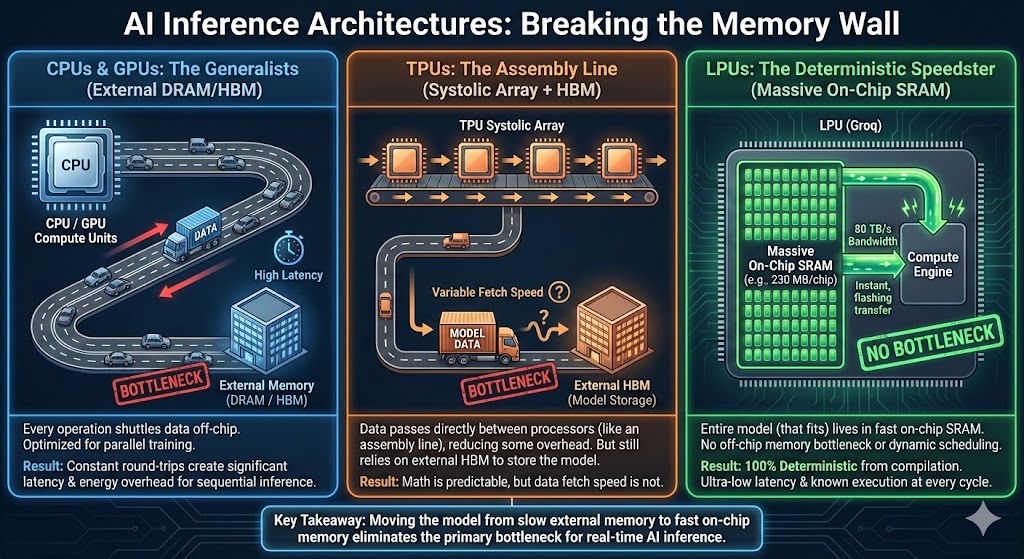
GPUs vs TPUs vs LPUs — Why are LPU are important to Nvidia?

Jonathan Ross built TPUs at Google, then started Groq to build LPUs. LPUs is a new architecture that optimize for inference and Jonathan is a strong leader in the industry. Image

Federico UlfoFederico Ulfo

Meta buys Manus at $2-4B

Meta just bought Manus, an AI startup everyone has been talking about https://x.com/TechCrunch/status/2005876896316469540.

  • Manus hit $100M ARR in ~9 months and sold for ~$2–4B, proving consumer agent products can scale fast and earn software-like multiples—validating agentic AI as a real revenue category.
  • Strategic acqui-hire: Meta picks up a team known for production-grade agent scaffolding and SOTA results, accelerating automation of complex white-collar work (coding, ops, computer use).
  • Consolidation + scale: Folding the fastest-growing B2C AI player into Meta centralizes agent expertise and distribution; early Singapore hiring points to rapid global rollout.
Image
Federico UlfoFederico Ulfo

Geopolitics: US capture of Venezuela's Maduro and the Monroe Doctrine

Note: our mission is to democratize AI via open source knowledge and decentralization. With that in mind our community tries to share objective views.

Venezuela

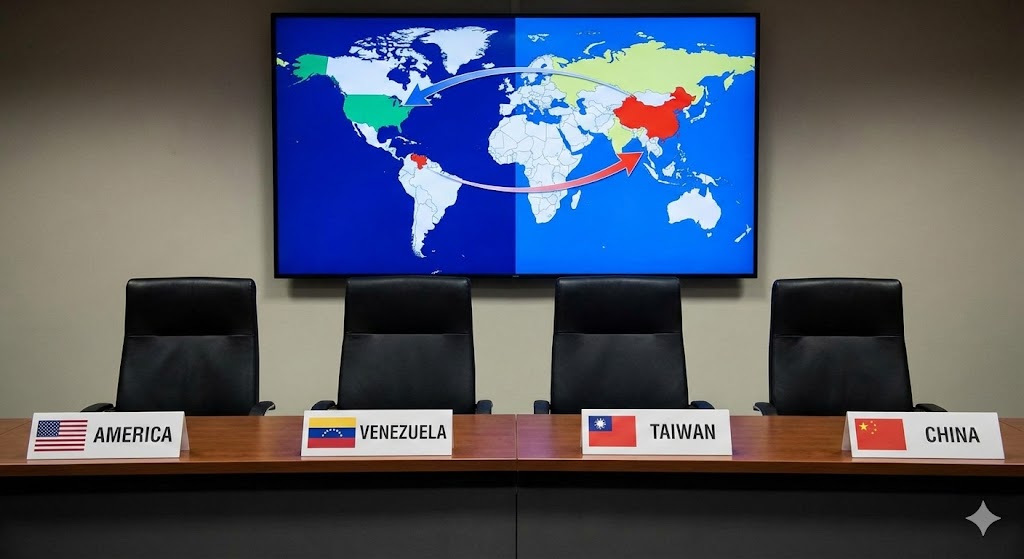
United States capturing the Venezuelan president Maduro has large implication in geopolitics. Peter Zeihan, one of my favorite geopolitics expert https://youtu.be/ddojVgGAryQ?si=nfpK2_JZNnjt334Q explains how by taking Venezuela, the US is showing a clear expansionist plan, following the Monroe Doctrine.

Federico UlfoFederico Ulfo

TSMC, the semiconductor chokepoint, and China's EUV prototype

TSMC

TSMC produce 90% of the world semi, from Nvidia GPUs, to iPhone chips, cars chips, and even defense systems. An invasion could halt production causing an economic shock. Everyone needs those chips for now, this might change, according Reuters, China built a prototype extreme ultraviolet lithography (EUV) machine in Shenzhen https://x.com/Megatron_ron/status/2001637940988899683. Everyone is starting to build their or chip fab.

Image

These interesting blog posts from SemiAnalysis.com can shine some light on TMSC:

Federico UlfoFederico Ulfo
← NewerJanuary 2026Older →

Search

Search across events, members, and blog posts