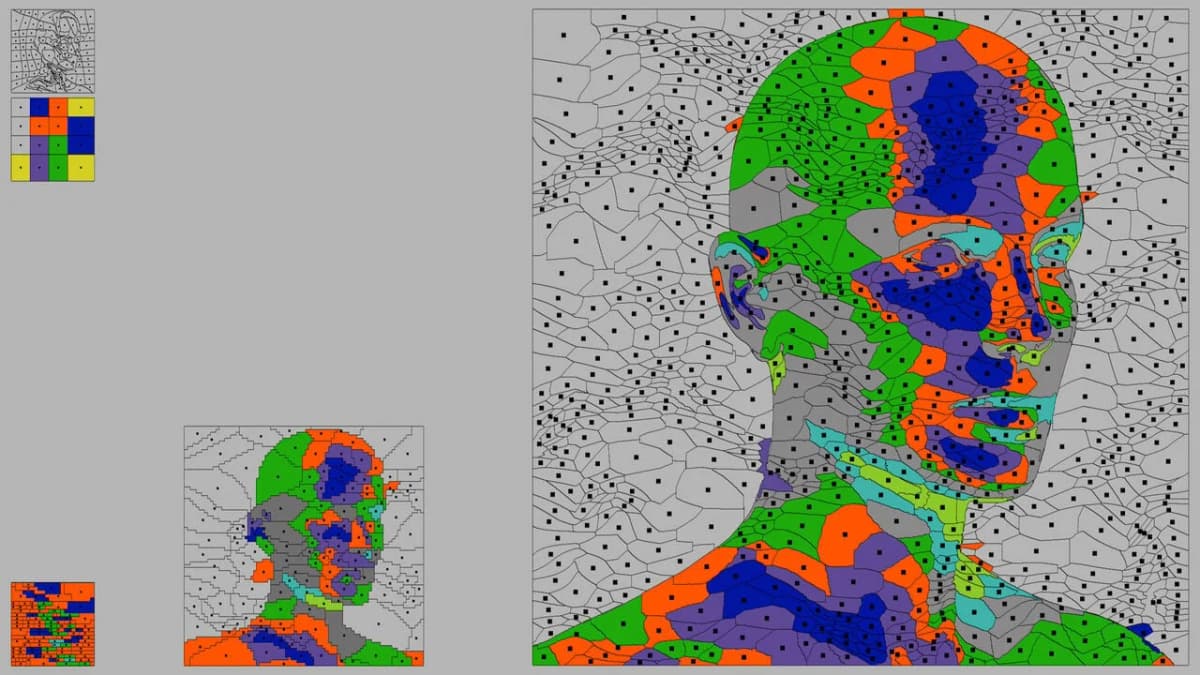
The Economist's cover briefing examines Anthropic's J-space in Claude Sonnet 4.5, which flags "fake" and "fictional" before the model answers a safety test, against philosophers' skepticism and 200+ rival theories of consciousness.
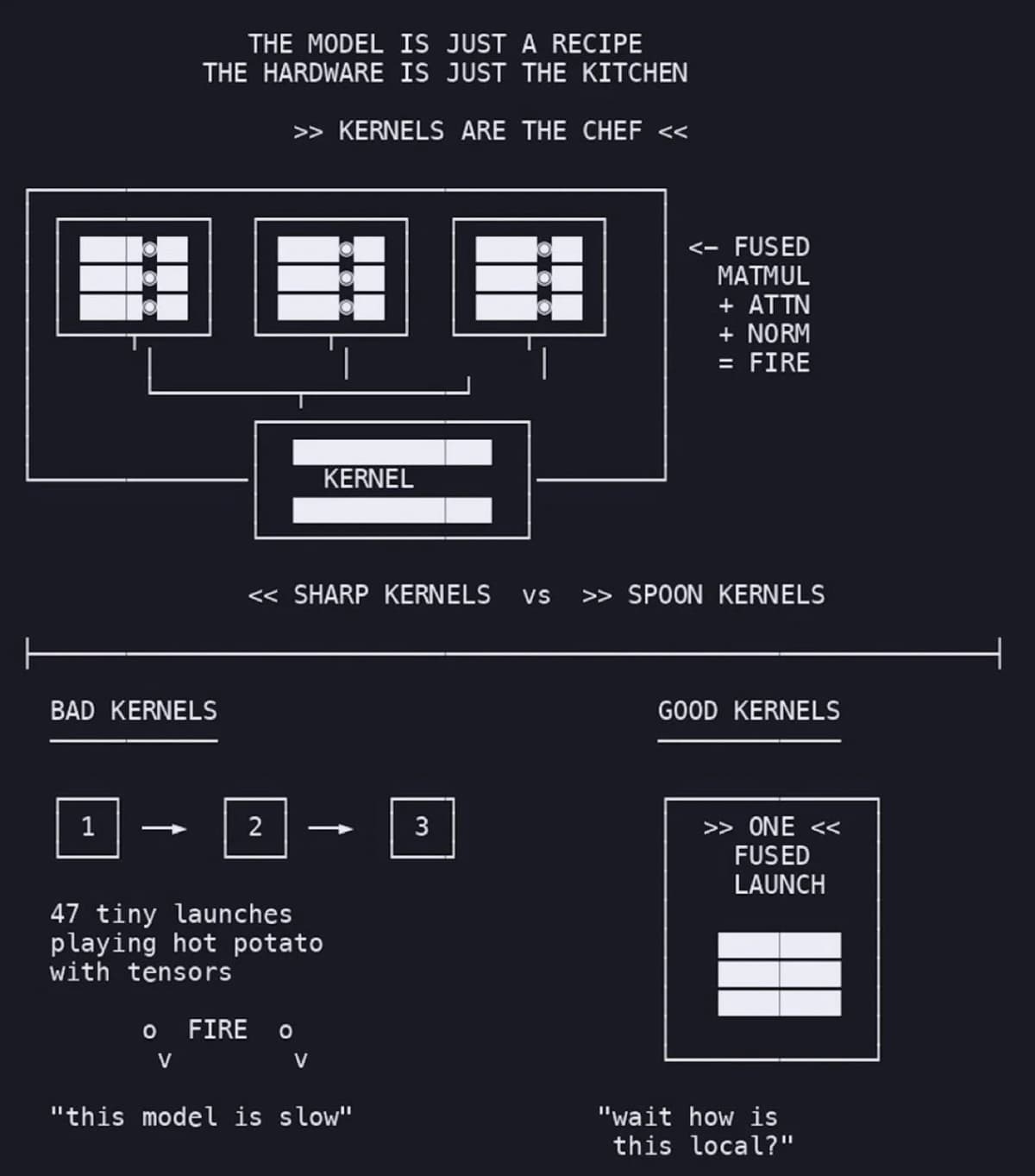
Osmantic founder Ahmad Osman argues inference speed lives in the kernel layer, not the model — a Strix Halo test gives a same-model ROCm rebuild 5.7-6.8% more throughput — and published an eight-project path for learning it.
Clippy, a free macOS app, surfaces approval requests and questions from Claude Code and Codex agents via a small animated buddy on each window, using localhost hooks that fail safely to the terminal prompt if the app is closed or unresponsive.
Ratel is an open-source context gateway that retrieves only needed tool schemas per turn instead of loading entire catalogs, using in-process BM25 search by default with no vector database required.
Matt Slotnick, CEO of Poggio Labs, argues in "Intention Is All You Need" that the system of record—the software category behind Salesforce, Workday and ServiceNow—is being demoted to an input as agents make owning intent the new moat.
The weekly AI digest — models, agents, open source, research — plus a monthly round-up. Unsubscribe anytime.