
AI Agent Patterns Roundup
A few standout posts from the last few days on practical agent workflows, shared memory, stack design, and costs:
@mattpocockuk asked what people are using to let agents spawn other full agents — opening new tmux/herd panes or separate Claude instances, rather than relying on subagents.
He shared his heavily-used /claude-handoff skill and is considering turning it into a more general /spawn command that detects the user’s tool (tmux, cmux, etc.) and spins up agents as needed. Especially useful for workflows like /wayfinder.
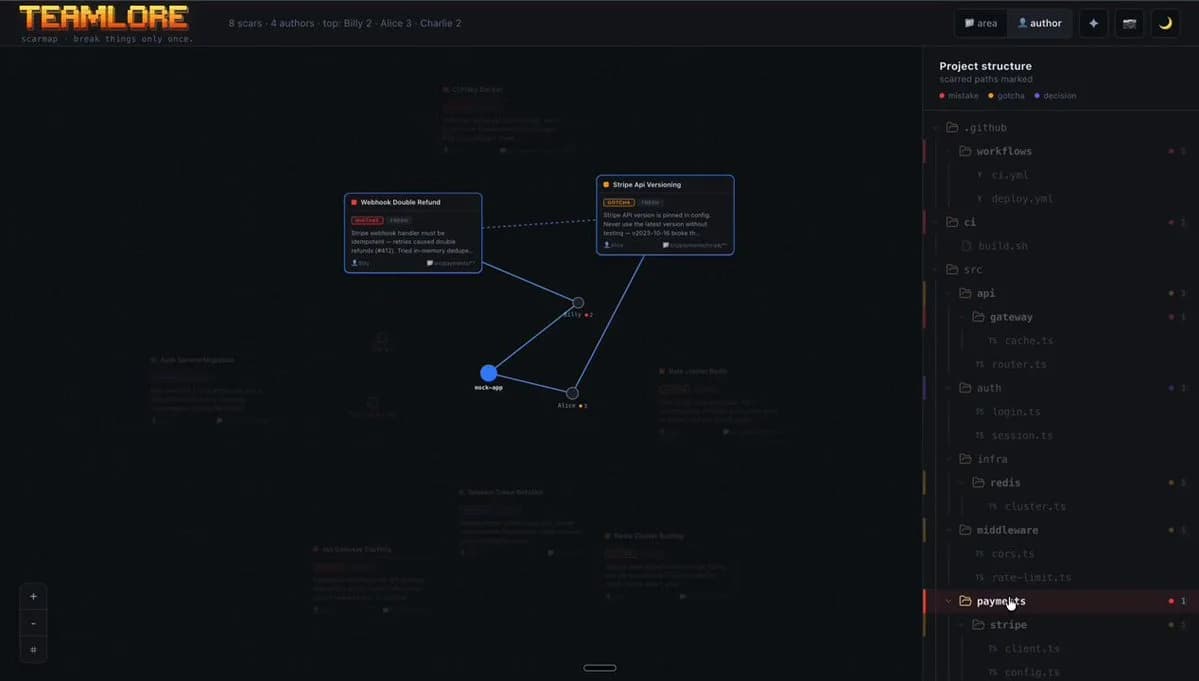
@itsharmanjot highlighted teamlore — an open-source tool that gives AI teams shared memory with nothing more than a folder in the repo.
No servers, vector databases, or orchestration platforms. When an agent gets corrected or breaks something, it writes a small lore file into a .lore/ folder. That file ships with the PR, gets reviewed like normal code, and after merge every teammate’s agent automatically recalls it. Install with npx teamlore init. There’s also a scarmap command that turns the team’s history of mistakes into a visual heat map of the codebase.
@rohit4verse rebuilt his agent stack four times this year and kept landing on the same seven layers — no framework, no orchestrator subscription, no “agentic OS.”
He calls it probably the only full-stack agentic setup most people need.
@zodchiii shared a video of an Anthropic engineer walking through her full Claude Code setup live from a blank terminal.
Key line: “90% of our engineers were using self-improving loops. Now everyone shifted to building agentic graphs.” The post positions it as more valuable than many paid agentic courses.
@0xSero shared how he’s reduced his Codex costs (quoting recent Cerebras-related discussion).
@patrickc published a quick survey on the economics of AI over the next five years: next-five-years.vercel.app.
Sources on X


