OpenAI published Improving GPT-5.6 Sol in ChatGPT, expanding GPT-5.6 Luna access for free users on August 6 — a tuning pass on GPT-5.6 Sol inside ChatGPT, plus GPT-5.6 Luna moving down to the free tier.
The HN thread hit 306 points and 251 comments within the hour, which is the usual tell that the interesting part is behavior change rather than the headline.
On the coding side, Simon Willison ran the natural comparison: on August 5 he one-shotted a Raccoon Heist game with Claude Fable 5, then handed the same prompt to Codex + GPT-5.6 Sol Ultra and published the result. Same premise, same prompt, two frontier stacks — a cheap side-by-side worth clicking if you are picking a coding model this week.
GPT-5.6 launched for general availability on July 9, 2026 (after a limited preview starting late June). It is a three-tier family designed around performance-per-dollar:
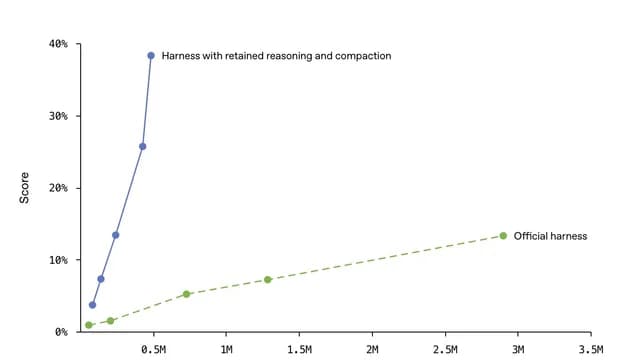
max reasoning and ultra, which coordinates multiple agents in parallel by default) plus programmatic tool calling so long-running tasks can advance with less hand-holding.OpenAI’s own numbers put Sol at the top of several independent-style indexes (Agents’ Last Exam, Artificial Analysis Coding Agent Index, BrowseComp, Terminal-Bench, etc.), with the efficiency claim being the consistent through-line: comparable or better quality at lower token spend and wall-clock time. The August 6 ChatGPT update does not change the Work/Codex versions of Sol; it is a chat-specific tuning.
For Plus and Pro users
For free (and Go) users
OpenAI reports internal evaluations showing substantially fewer factual errors versus GPT-5.5 Instant on financial, medical, and legal prompts that require precise detail. The chat-optimized Sol is available only in the Chat experience; the versions powering Work and Codex are unchanged by this release.
Pushing Luna to free users is distribution, not a new capability leap: it puts a current-generation 5.6-series model in front of the non-paying majority while Sol continues to absorb the quality and reliability work for subscribers. The chat-specific tuning (focus, factuality, effort control) is the part most people will actually feel day-to-day. Expect the usual round of “it feels different today” reports before anyone publishes systematic numbers.
The model card / system card for the August updates also notes additional safeguards aimed at users believed to be under 18 (boundaries around romantic roleplay, certain high-risk topics, and stronger encouragement to seek real-world support).
Sources: GPT-5.6 family announcement, August 6 ChatGPT update, HN discussion, Simon Willison’s side-by-side