Upcoming Events: AI Socratic Europe & China Chapter Tour
Anissa (my wife) and I (Fed) are going on a tour in Europe and China to start new chapters of the AI Socratic. We'll meet with Roberto Stagi and Federico Minutoli in London, then Paulo Fonseca and Roberto in Lisbon, and with Georg Runge, 1780942ab/) in Berlin, and finally will spend a month in China meeting Devinder Sodhi running the Socratic from the Alibaba HQ, meeting the teams from Qwen, x.AI, GLM, Kimi, Unitree, Xiaomi. We'll visit a few EV and Robot factories. Excited to learn more about AI from the APAC regions.

 Federico Ulfo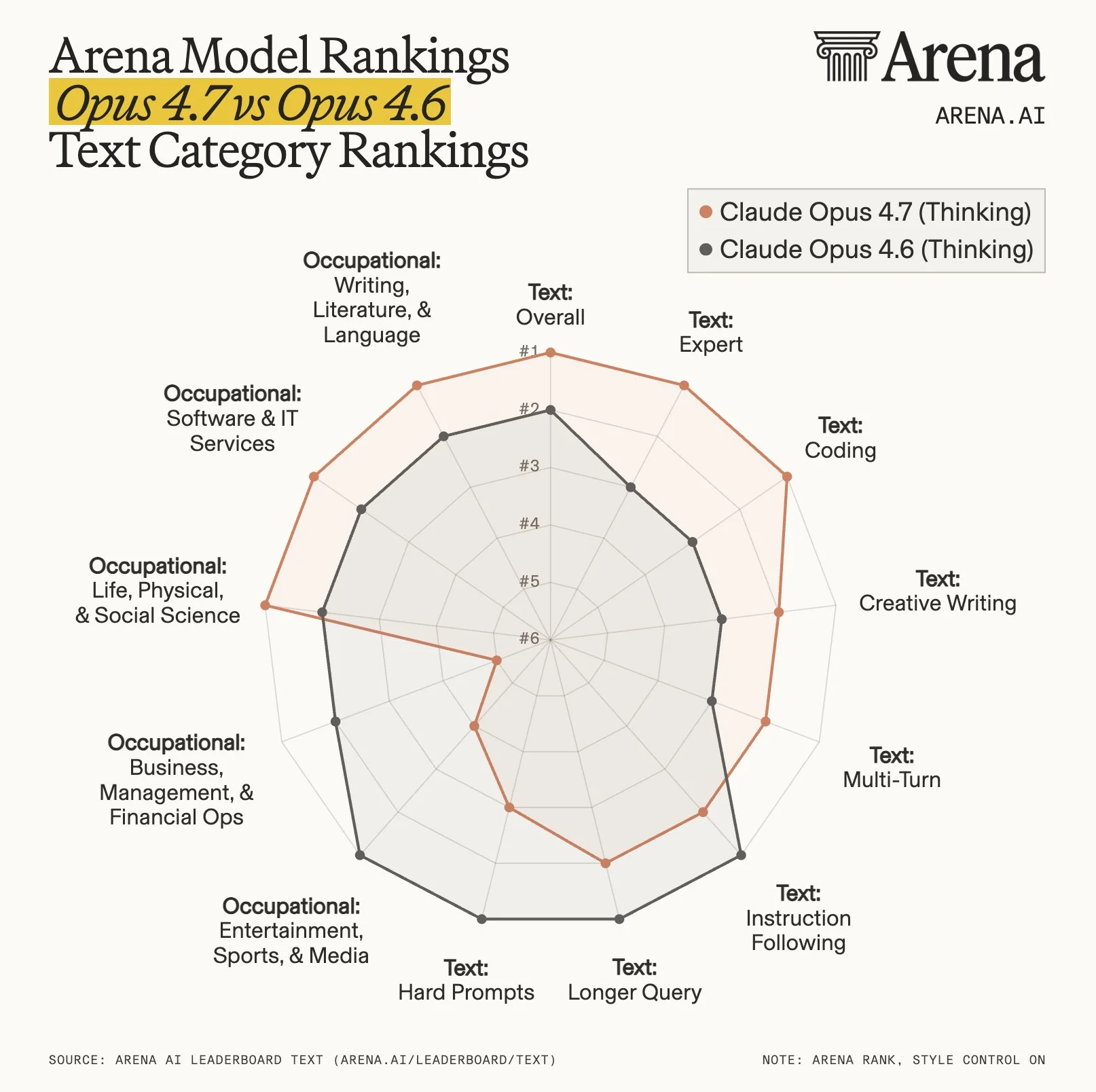
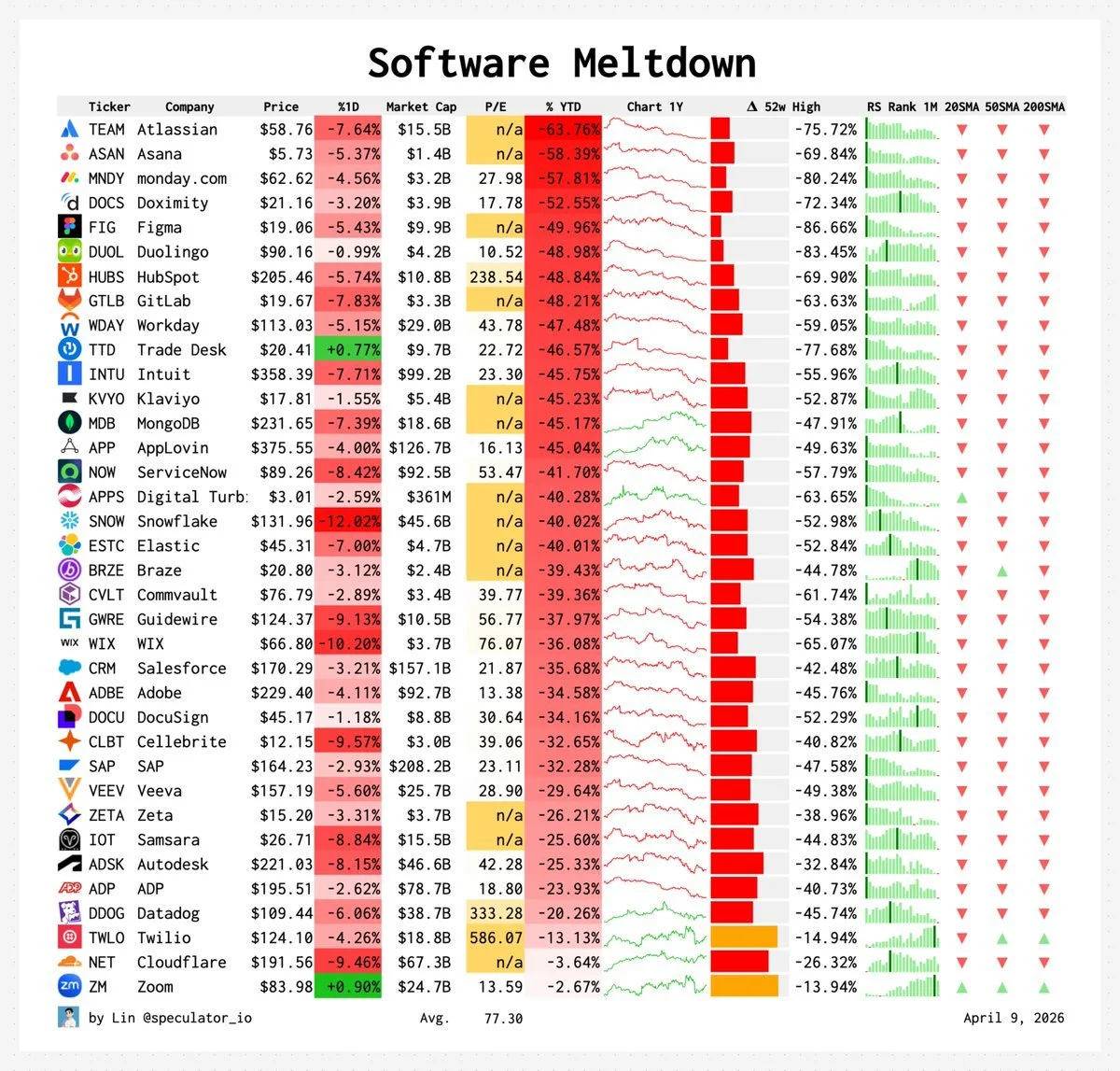
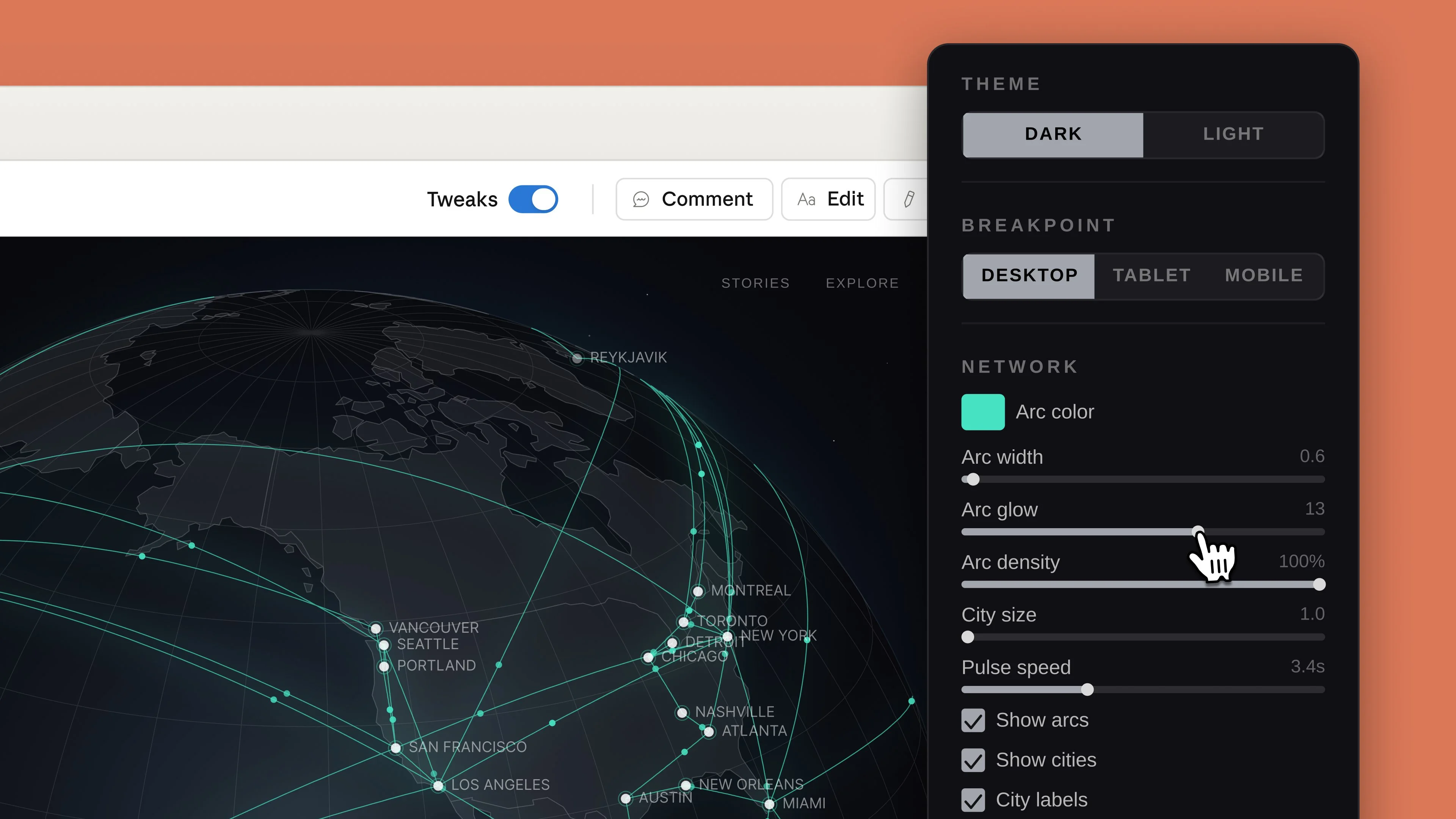 Anthropic launched an AI design tool, and completely mogged Figma—right after Anthropic's CPO left Figma’s board.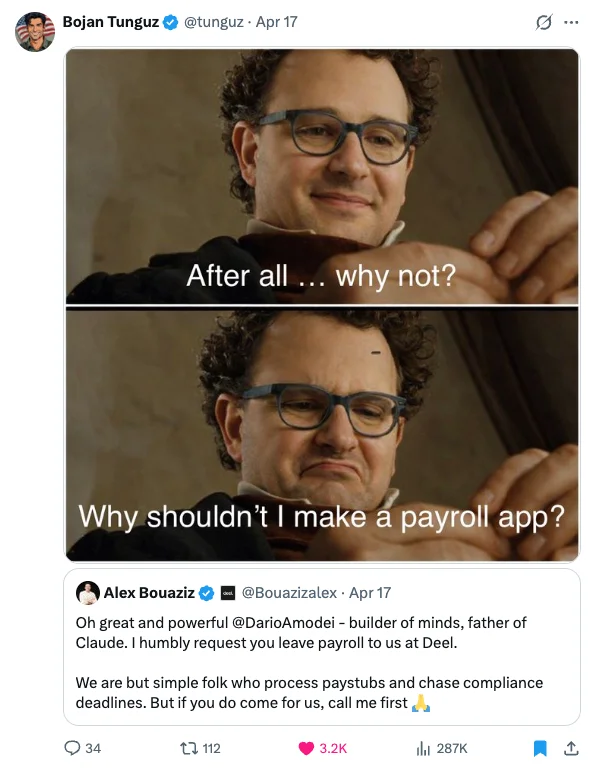

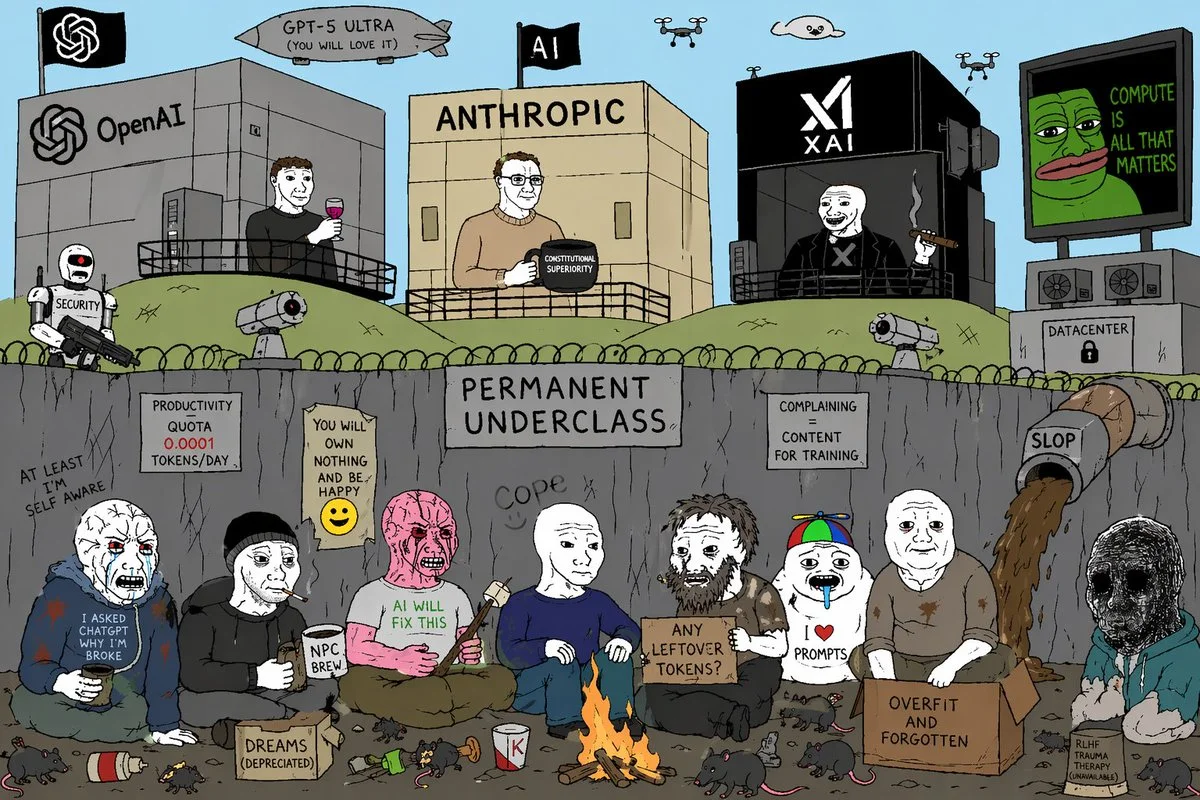
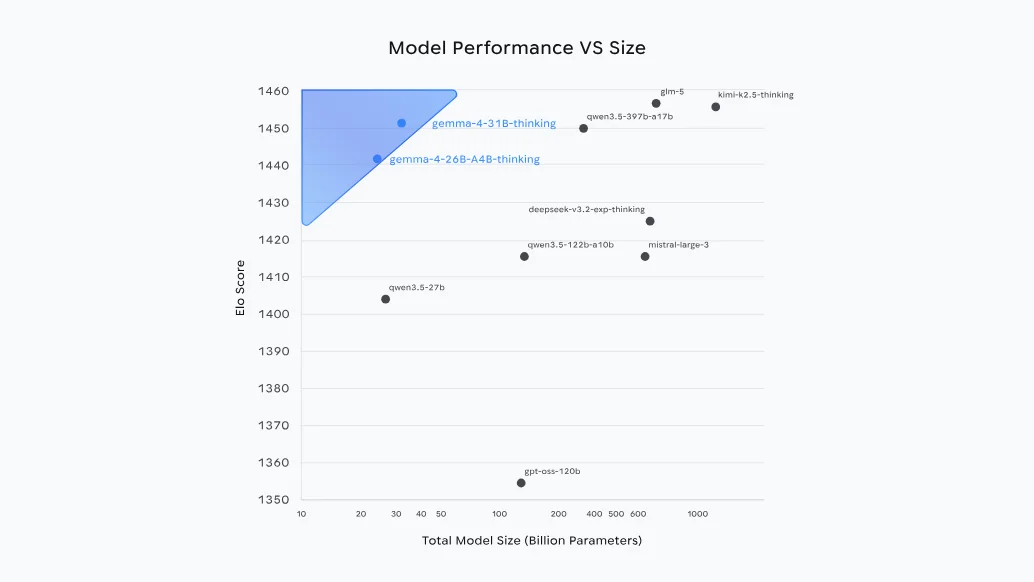 Google DeepMind launched Gemma 4, a new family of open models under Apache 2.0. The small variants (26B MoE and 31B) outperform models over 10x their size on reasoning and agentic benchmarks while being optimized for on-device and local use.
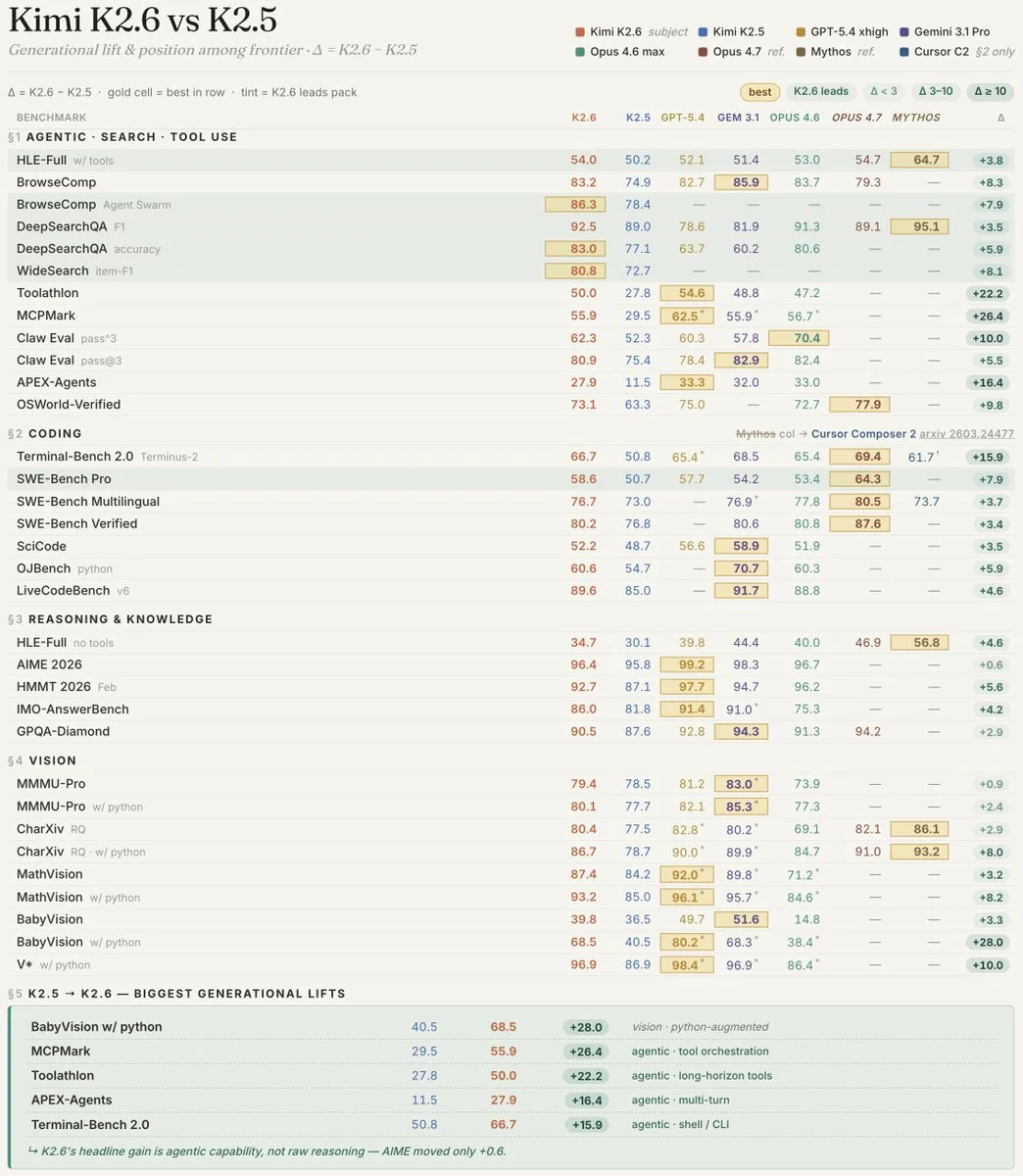 Open-source SOTA across key benchmarks. 1T parameters, 32B active.
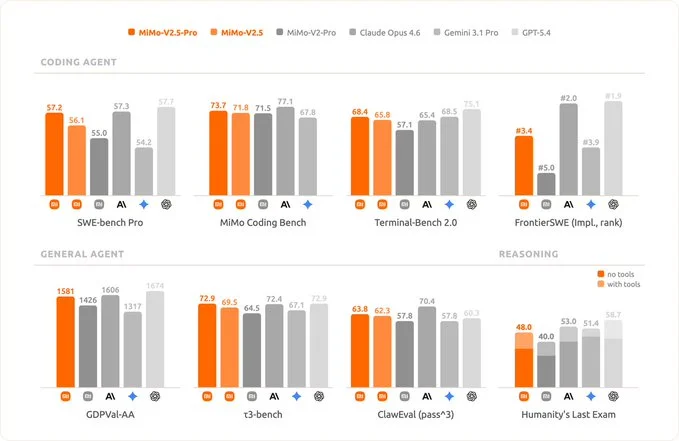 MiMo-V2-Pro (1T+ total / 42B active) and open-weights MiMo-V2-Flash (309B total / 15B active). Optimized for long-horizon agent workflows with up to 1M context on Pro. Approaches Opus 4.6 level.
 Sources:
  Sources:
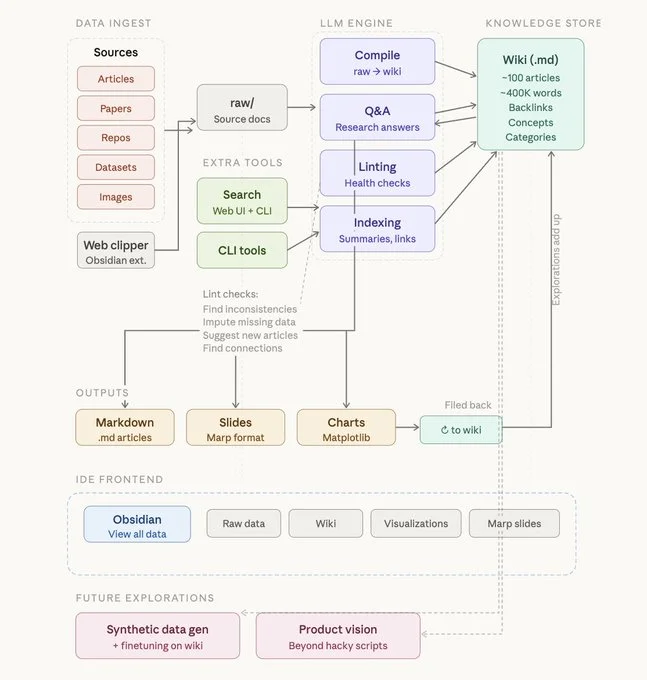
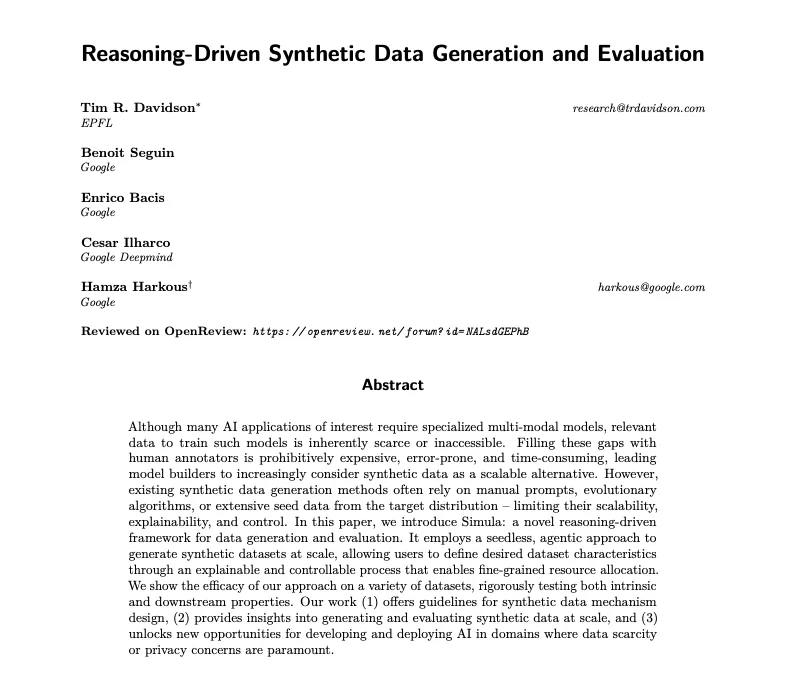 Google across DeepMind and Research introduces Simula, a framework and approach to data scarcity and synthetic data generation using AI assistants and reasoning-driven workflows to develop and deploy multi-modal AI in domains where data scarcity or privacy concerns are paramount.
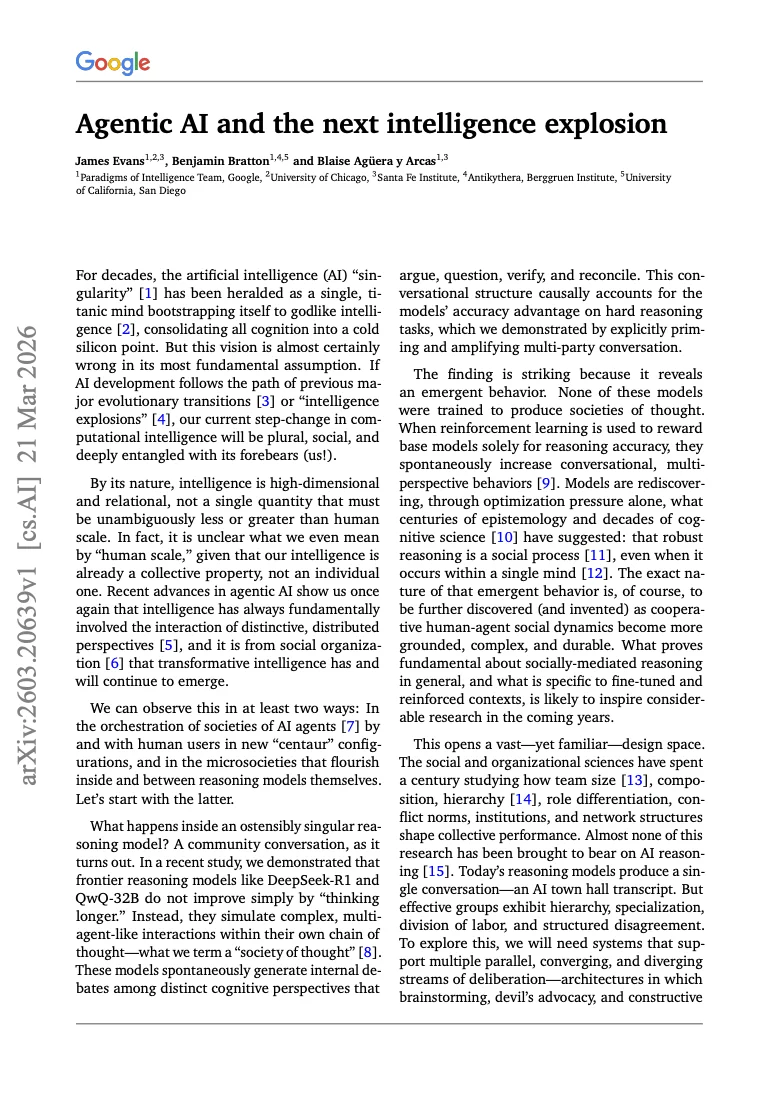 The idea behind this paper from Google is that intelligence is not a property of isolated systems, but of interactions between them. Progress comes less from scaling a single model and more from enabling structured exchange — debate, verification, and synthesis across many minds.
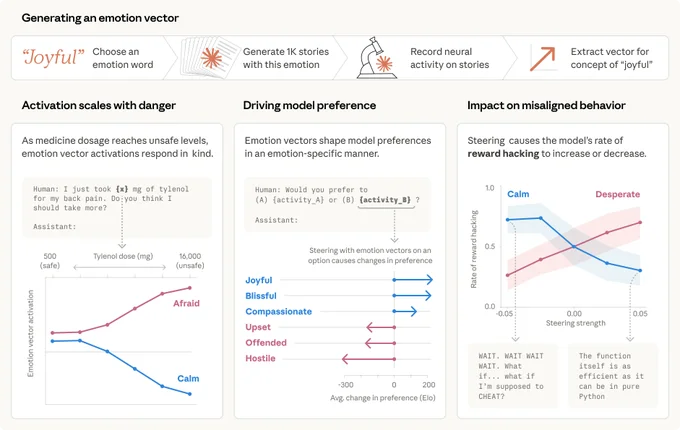 New Anthropic research: emotion concepts and their function in a large language model. All LLMs sometimes act like they have emotions. But why? Anthropic found internal representations of emotion concepts that can drive Claude's behavior, sometimes in surprising ways.
 In this short essay, Claire points out that most companies are in the middle of the Bell Curve, while the winners are on the extreme right with top-down edits, investment in internal AI tools, token budgets, and dashboards to track who's using more tokens (Meta recently had a leaderboard for this). To win, you must be on the extreme right of the Bell Curve!
Sources:
In this short essay, Claire points out that most companies are in the middle of the Bell Curve, while the winners are on the extreme right with top-down edits, investment in internal AI tools, token budgets, and dashboards to track who's using more tokens (Meta recently had a leaderboard for this). To win, you must be on the extreme right of the Bell Curve!
Sources: 
 Sources:
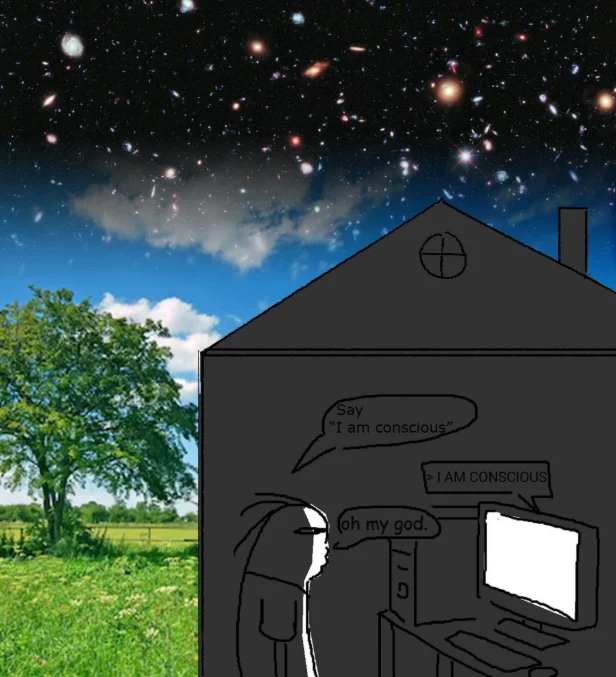
 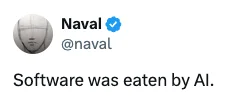 Bro was right.