
OpenAI used DevDay 2026 to announce more than 20 changes across models, Codex, the API, and ChatGPT. For developers, the clearest theme was a wider range of tools for building agents: a more capable model at a lower price than Astra, a specialized API for bounded decisions, and infrastructure for agents that use computers and coordinate work.

Launch visual: OpenAI's GPT-6.1 Sol announcement.
GPT-6.1 Sol is OpenAI's new upgrade to GPT-6 Sol. OpenAI says it approaches GPT-6 Astra on agentic coding, computer use, and professional work while costing one-fifth as much as Astra at standard API rates. The published prices are $2 per million input tokens, $0.10 per million cached input tokens, and $10 per million output tokens. Developers can call it as gpt-6.1-sol.
The company's own evaluations show the shape of the improvement: it says GPT-6.1 Sol matches Astra on DeepSWE 1.1 at about one-fifth the task cost, beats GPT-6 Sol's best score there by 6.4 percentage points, and improves seven points on the OSWorld 2.0 offline computer-use set at maximum reasoning effort. On a deliberately difficult factuality set, OpenAI reports that the share of low-effort answers containing an error fell from 11.4% to 7.7%. These are vendor-reported results on specific evaluations, so teams should still run their own tasks and cost measurements before switching production workloads.
GPT-6.1 Sol is available in the API and in ChatGPT Work and Codex for Plus, Pro, Business, Enterprise, and Edu users. OpenAI says it is not yet available in Chat. An Ultrafast option for the model is planned in the coming days; that speed tier is already available for GPT-6 Astra.
Our take: Last week's conversation was about pacing the frontier, but releases now seem to arrive faster than teams can properly evaluate them. An agent that runs for 10–15 days can take weeks to test, review, and reproduce. By the time that work is done, another model may already be out. The release calendar is starting to outrun the evaluation calendar.
Meme by @scrappy_guy.
Launch visual: OpenAI. See the DevDay recap and OpenAI Developers' Decisions API post.
The new Decisions API takes a different approach from asking a general assistant to write an open-ended response. Developers define a set of questions with finite, predefined answers, supply text or image context, and get a decision back. OpenAI says it focuses Luna's intelligence on tasks such as classifying content, routing a request, or choosing an agent's next action. It is in limited preview, with broader release planned in the coming days.
OpenAI Developers describes it as real-time decision-making powered by GPT-6 Luna: define the questions and possible answers, then use the result to classify content, route requests, or choose an agent's next action. It is hard not to think of Jev here. If a general platform can package this capability directly into its API, Jev will need to show where its specialized product wins on measured quality, latency, cost, or workflow fit. That is a competitive question, not a claim that the products are equivalent.
This is a useful distinction for product teams: a decision endpoint can make the allowed outcomes explicit, which is often what a workflow needs. OpenAI has not yet published enough detail here to assume a particular latency, price, accuracy, or safety profile. Those will need to be measured against each application's decision rules.
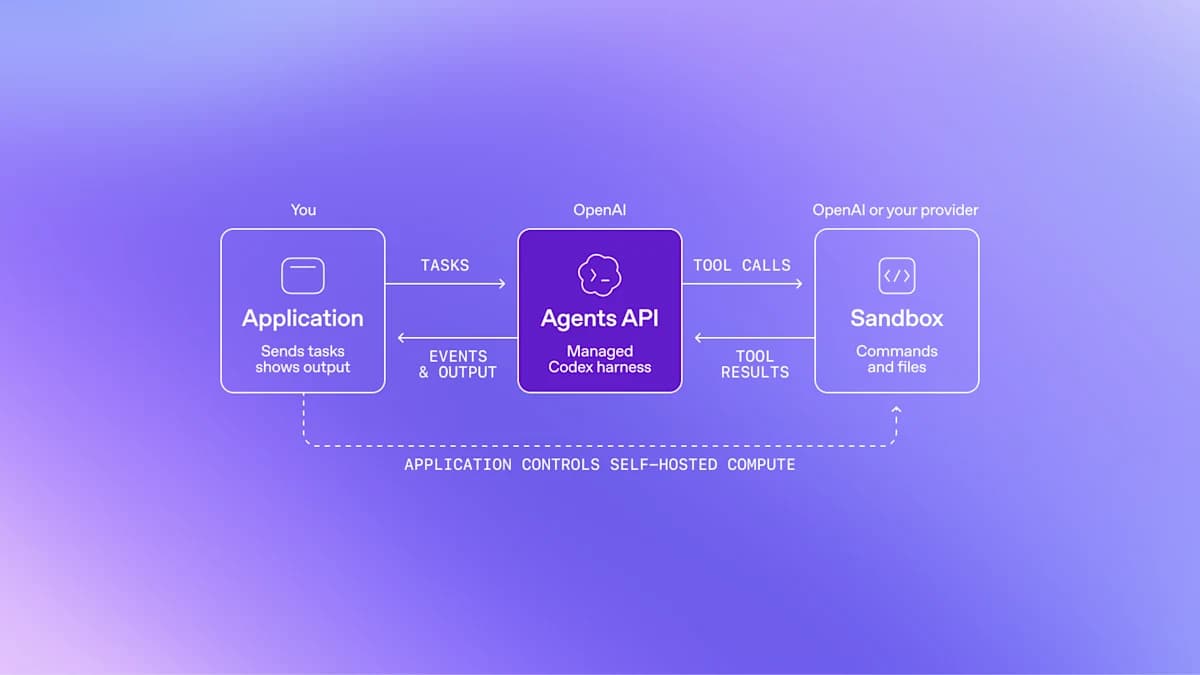
Agents API diagram: OpenAI's product announcement.

Plugin extension example: OpenAI developer documentation.
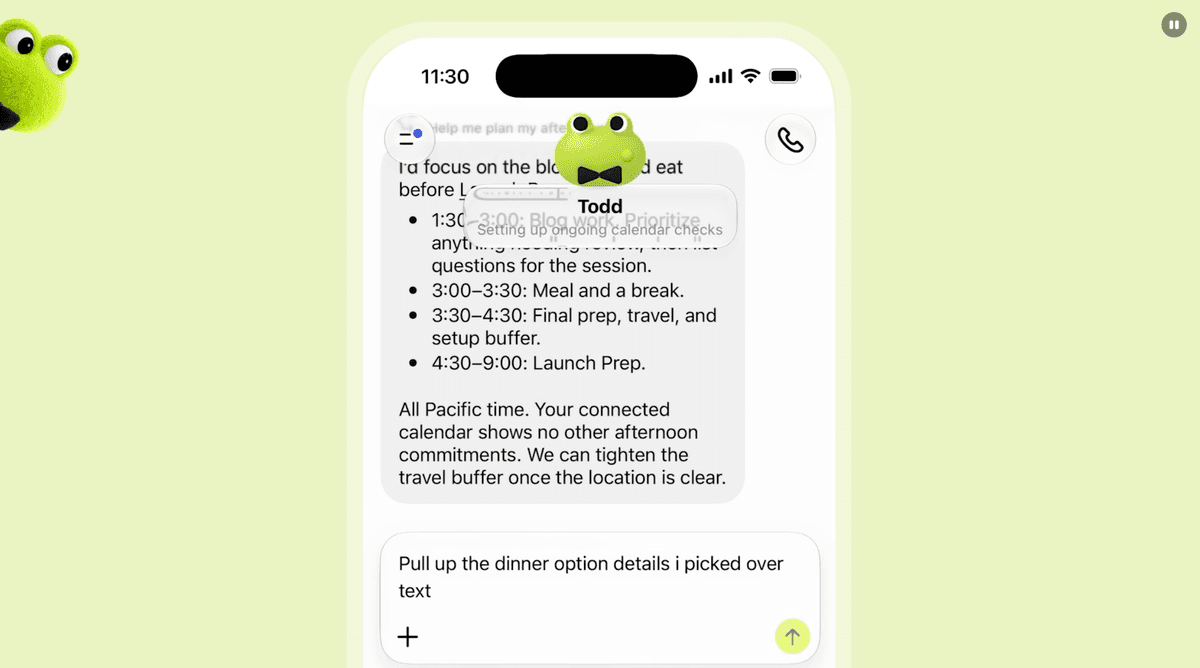
Dots in action; read OpenAI's launch article.
Our take: After the Muse launch, the appeal of a friendly, recognizable AI character is becoming hard to ignore. Dots takes the always-on agent into digital-pet territory. It may be a useful interface for persistent work, and it is also a memorable way to make an assistant feel like a companion.

An illustrated take on the new crop of AI mascots.
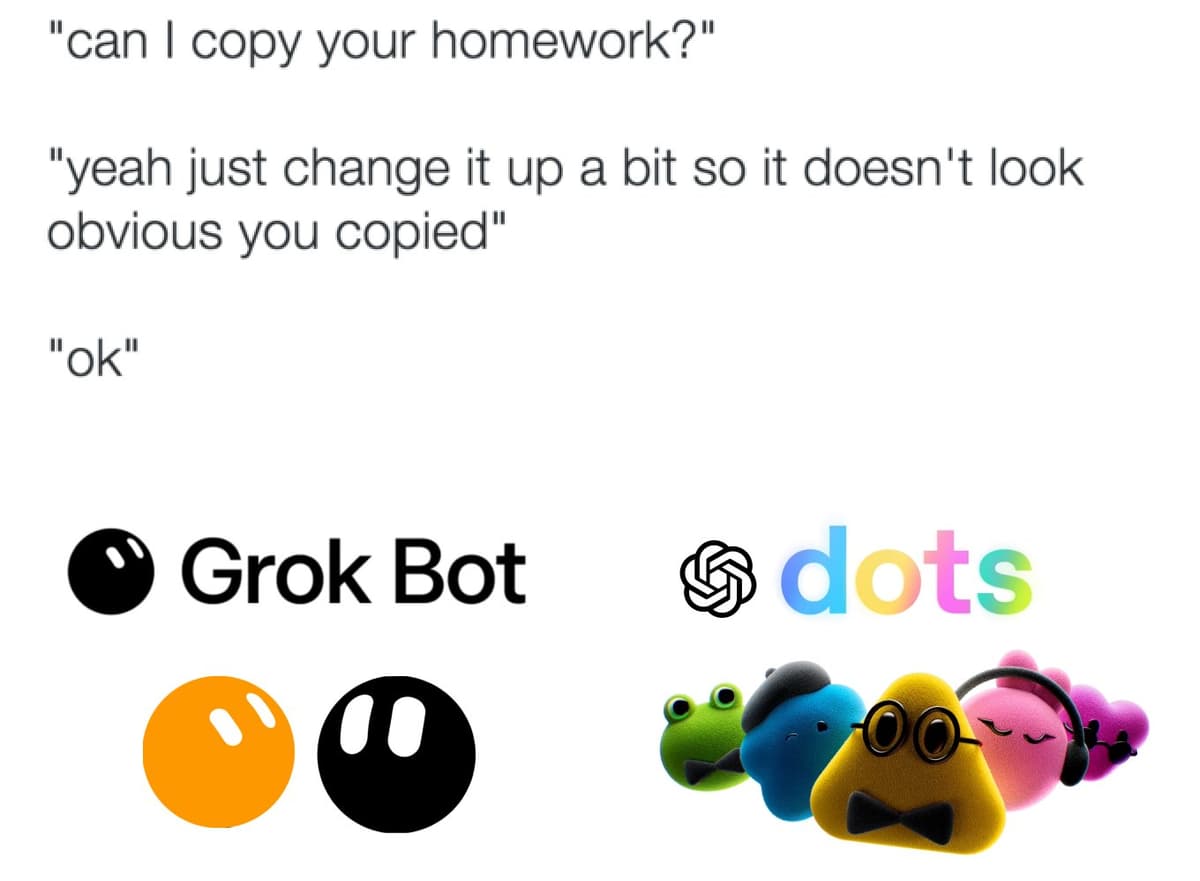
Dots meme circulating on X; image shared here.
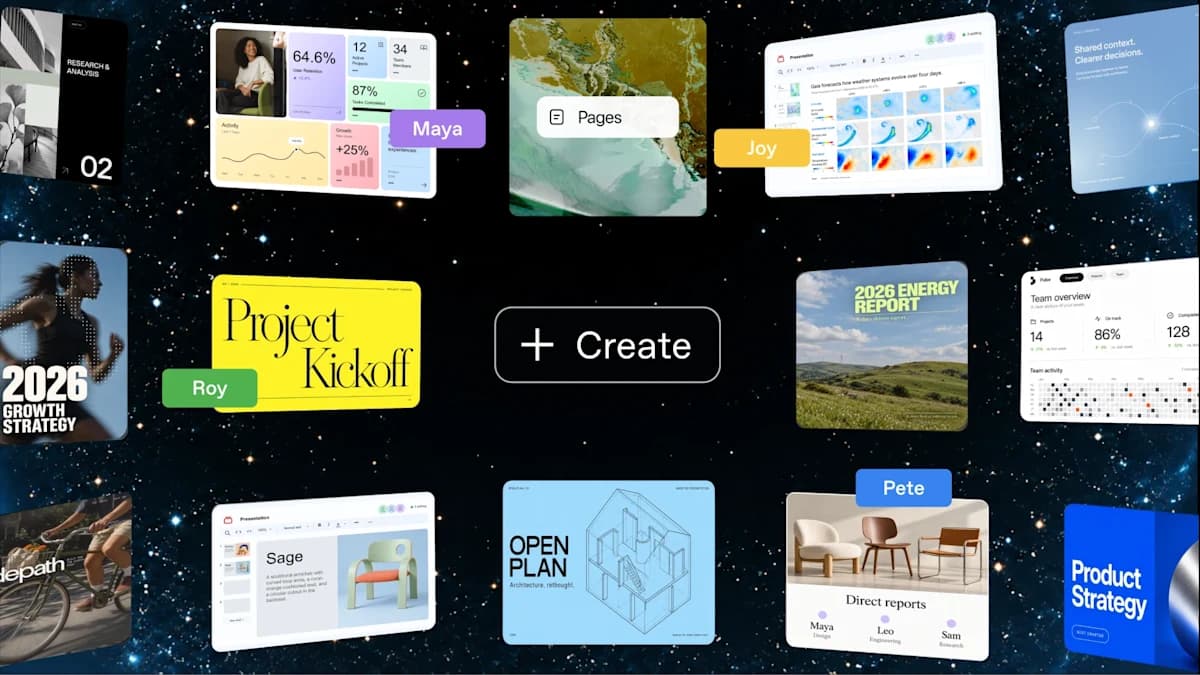
ChatGPT Space preview: OpenAI.
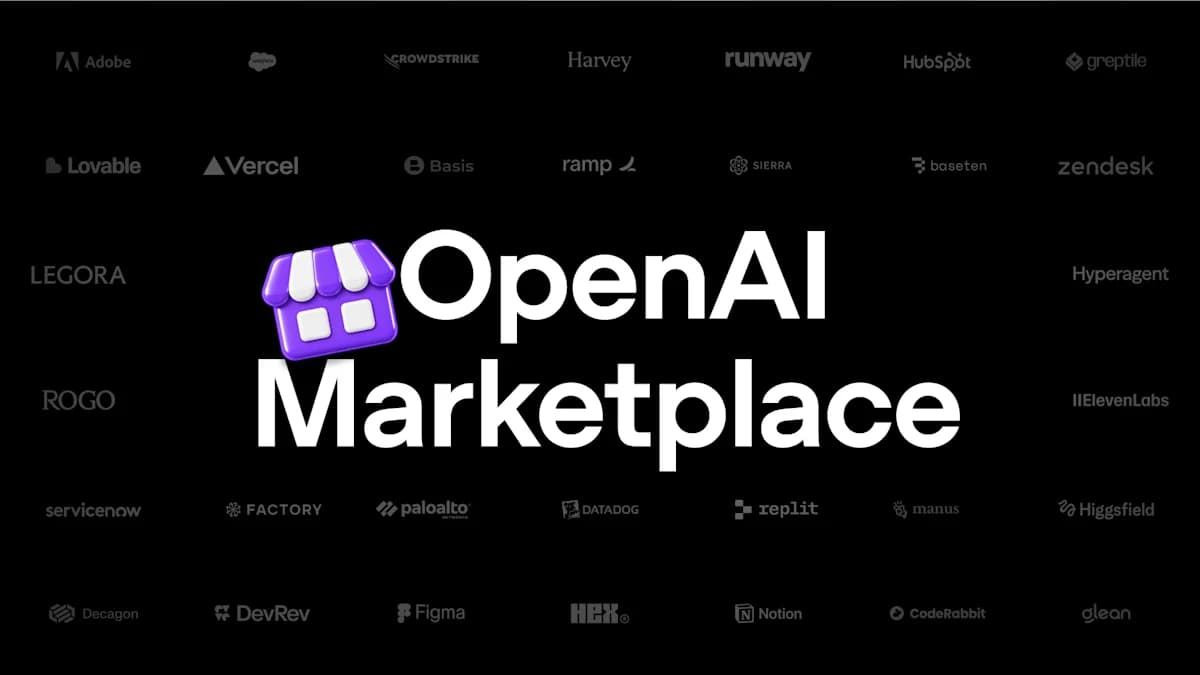
Marketplace launch visual: OpenAI Marketplace.
OpenAI also announced Sign in with ChatGPT, which can connect an account to participating tools and, for eligible Plus and Pro users, let partner usage count against their ChatGPT plan. A new Pro 500 tier offers 25 times the Plus usage allowance and Ultrafast access. The OpenAI Marketplace will let eligible enterprise customers apply part of their OpenAI commitment toward approved partner software; OpenAI named 32 initial partners.
Availability varies widely: some features are live, while others are limited previews or planned for the coming weeks. The official DevDay recap lists plan eligibility and rollout status for each. For builders, the immediate releases to test are GPT-6.1 Sol, the expanded Agents API, and the Codex changes; Decisions API needs preview access. The value of each depends on task-level evaluations, integration cost, and the controls around consequential actions.
Sources: OpenAI DevDay 2026 recap · GPT-6.1 Sol announcement · OpenAI's launch post on X · OpenAI teaser shared by Gali